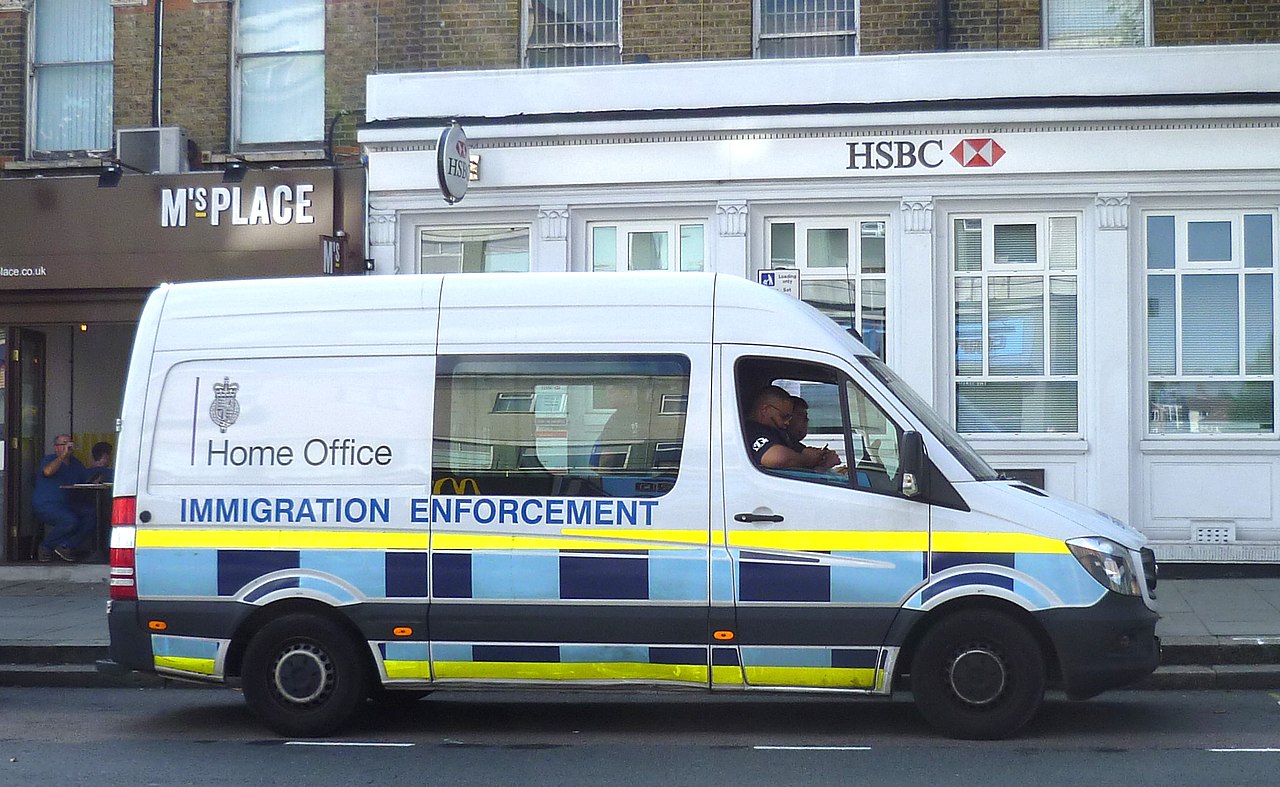
Debates that were once confined to the political fringe have risen to the forefront of mainstream discourse. With each passing day comes another headline that places minority groups under scrutiny.
On March 4th, 2026, the UK government announced that student visas would no longer be issued for the residents of four countries: Afghanistan, Cameroon, Myanmar, and Sudan. The government’s blanket ban directly targets nationals from countries experiencing severe humanitarian crises. Shabana Mahmood, the home secretary, stated that the government was taking this stance to ensure the UK’s “generosity” could not be “exploit[ed]”. However, it is rulings like this that risk cultural, diplomatic, and business links, whilst also depriving vulnerable individuals of an education.
Shabana Basij-Rasikh’s story
Afghan national Shabana Basij-Rasikh was six years old when the Taliban first took control of her country. Thanks to the bravery of her parents, she was able to attend a secret school in defiance of the Taliban’s ban on girls’ education, allowing her to continue developing her academic potential.
In 2001, after the Taliban were removed by US forces, Basij-Rasikh earned a place on a one-year exchange programme in the United States. She later matriculated at Middlebury College in Vermont. Her experiences in the US education system inspired her to create similar opportunities for women in Afghanistan. Notably, as an undergraduate student, she co-founded the School of Leadership, which was an Afghanistan-based, female-only boarding school. In her career, she has worked with peers to ensure over 130 million girls have access to a quality education.
If Basij-Rasikh had been denied her place at a US university, countless lives would have been negatively affected. Her education has provided her with the crucial ability to uplift millions of vulnerable people.
Overall, by actively displacing students through enhanced border controls, the government is undermining its own credibility. Only around 120 Sudanese students applied for asylum last year, despite Sudan, and other countries in similar circumstances, being in the midst of armed conflict. Despite this, sweeping restrictions have been implemented without due consideration.
By framing vulnerable students seeking asylum as abusers of the visa system, the government is demonising a small but highly at-risk group. This unempathetic response warrants strong criticism.
Bibliography
Crerar, Pippa. 2026. ‘Home Office Refuses to Exempt Exceptional Students from Tough Immigration Rules’, The Guardian (The Guardian) (https://www.theguardian.com/politics/2026/mar/10/home-office-refuses-to-exempt-exceptional-students-tough-immigration-rules?.com) [accessed 3 April 2026]
Prof Ngaire Woods and Aziz Magid. 2026. ‘Student Visa Ban Will Shut the Door on Talent’, The Guardian (The Guardian) (https://www.theguardian.com/uk-news/2026/mar/10/student-visa-ban-will-shut-the-door-on-talent?.com) [accessed 17 March 2026]
SOLA. 2026. ‘Our Founder’, SOLA – School of Leadership Afghanistan (https://www.sola-afghanistan.org/our-founder) [accessed 8 April 2026]